House Painting Guide: Transforming Your Home with Professional Painting Services

House Painting

Stand across the street and take a moment to look at your home. The color of the walls, the finish of the trim, and the overall appearance of the exterior all contribute to the first impression it creates. Inside, the colors of your living spaces influence mood, comfort, and style. Over time, however, paint fades, chips, and loses its vibrancy.

House painting at SGB Custom Painting is one of the most effective ways to refresh a property, protect surfaces, and enhance its overall value. With the right preparation and approach, painting can completely transform the look and feel of a home.

The Importance of House Painting

House painting goes far beyond improving appearance. Paint acts as a protective barrier that shields surfaces from moisture, sunlight, and everyday wear. Exterior paint helps prevent water damage and protects building materials from harsh weather conditions. Interior paint protects walls from stains, scuffs, and gradual deterioration.

Over time, paint begins to break down due to environmental exposure and normal household activity. When paint deteriorates, surfaces become vulnerable to damage. Cracks and peeling areas allow moisture to seep into walls, which may lead to mold growth or structural problems.

Regular house painting helps preserve the condition of both interior and exterior surfaces. By renewing protective coatings, homeowners extend the lifespan of siding, drywall, wood trim, and other materials. In addition to protection, a fresh coat of paint revitalizes the overall aesthetic of the property.

For homeowners considering selling their property, house painting can significantly increase curb appeal. A well maintained exterior and updated interior colors create a welcoming environment that attracts potential buyers.

Planning a Successful House Painting Project

Careful planning is essential for achieving professional results in any house painting project. The process begins with evaluating the current condition of the surfaces to be painted. Identifying cracks, stains, or damaged areas ensures that necessary repairs are completed before painting begins.

Surface preparation is one of the most important steps. Walls and siding must be cleaned thoroughly to remove dust, dirt, and grease. Exterior surfaces may require pressure washing to eliminate accumulated grime. Interior surfaces may need patching or sanding to create a smooth base.

Selecting the right paint type is another key consideration. Different areas of the home require different formulations. Exterior paints must withstand weather conditions, while interior paints focus on durability and easy cleaning.

Color selection also plays a major role in the planning process. Choosing complementary colors for walls, trim, and accents enhances the visual harmony of the property. Neutral tones often create a timeless look, while bold colors can highlight architectural features.

Establishing a clear timeline ensures that the project progresses smoothly. Weather conditions, drying times, and the size of the property all influence the duration of a painting project.

Interior House Painting for a Fresh Living Space

Interior house painting has the power to transform living spaces dramatically. The colors inside a home influence mood, comfort, and perception of space. Lighter colors can make rooms appear larger and more open, while deeper tones create warmth and intimacy.

Living rooms and bedrooms often benefit from calming shades that promote relaxation. Kitchens and dining areas may incorporate brighter colors that create energy and vibrancy. Hallways and shared spaces often use neutral tones to maintain consistency throughout the home.

Proper preparation is essential for interior painting. Furniture is moved or covered to prevent damage, and floors are protected with drop cloths. Walls are cleaned and repaired to ensure that the paint adheres properly.

Applying primer helps create an even base and enhances color accuracy. Once the primer dries, multiple coats of paint may be applied to achieve full coverage and a smooth finish.

Interior painting also includes trim, doors, and ceilings. Attention to these details creates a polished and cohesive appearance that elevates the entire space.

Exterior House Painting and Weather Protection

Exterior house painting plays a crucial role in protecting a home from environmental elements. Sunlight, rain, wind, and temperature changes can gradually damage exposed surfaces.

A fresh exterior coat forms a protective shield that resists moisture and prevents wood rot. High quality exterior paint also reflects sunlight, reducing heat absorption and improving energy efficiency.

Preparation for exterior painting often involves extensive cleaning and repair. Cracked siding, damaged trim, and loose paint must be addressed before new paint is applied. Removing old peeling paint ensures proper adhesion and a longer lasting finish.

Painting the exterior requires careful attention to detail. Areas such as windows, doors, and gutters must be protected to avoid unwanted paint marks. Professional techniques ensure smooth and consistent coverage across large surfaces.

The result of exterior house painting is not only improved protection but also enhanced curb appeal. A well maintained exterior makes a strong visual statement and reflects pride in homeownership.

Choosing the Right Colors and Finishes

Color selection is one of the most exciting aspects of house painting. The chosen palette influences both the style and atmosphere of the home.

Neutral colors remain popular because they offer versatility and timeless appeal. Shades of white, gray, and beige create clean and elegant environments. These colors also provide flexibility for changing decor styles.

Accent colors add personality and highlight architectural details. Front doors, shutters, and trim can serve as focal points that enhance the overall design.

Finish selection is equally important. Matte finishes offer a smooth appearance that hides imperfections but may require more maintenance. Satin and semi gloss finishes provide durability and are easier to clean, making them suitable for high traffic areas.

Exterior finishes must balance durability with visual appeal. Choosing the right combination of color and finish ensures that the home remains attractive and well protected.

The Benefits of Professional House Painting

While some homeowners choose to paint their homes themselves, professional house painting offers several advantages. Experienced painters understand proper preparation techniques and application methods that produce long lasting results.

Professionals also have access to specialized tools and equipment that improve efficiency and safety. Working on ladders or elevated surfaces requires experience and proper precautions.

Another benefit of professional painting is attention to detail. Clean lines, even coverage, and consistent finishes contribute to a polished final appearance.

Professional painters also save homeowners time and effort. Large painting projects can be physically demanding and time consuming. Hiring experts allows homeowners to enjoy the transformation without the stress of managing the process themselves.

Investing in professional services often results in higher quality outcomes and longer lasting paint performance.

Conclusion: Enhancing Your Home Through House Painting

House painting is one of the most impactful ways to improve both the appearance and durability of a property. Whether refreshing interior rooms or protecting exterior surfaces, painting provides a combination of beauty and functionality.

Through careful planning, proper preparation, and thoughtful color selection, homeowners can create spaces that reflect their style and enhance comfort. A freshly painted home not only looks inviting but also stands stronger against the elements.

By prioritizing quality and maintenance, house painting becomes more than a simple update. It becomes a lasting investment in the beauty, value, and longevity of your home.

Beneath the Surface: The Hidden Rhythm of Septic Pumping

Clean systems start where most people never look. Septic pumping is one of those quiet necessities that keeps everything running smoothly without ever demanding attention. It exists beneath the surface, hidden from view, yet it safeguards hygiene, comfort, and even property value. The world above relies entirely on the efficiency of the world below.

Septic

Modern life produces waste faster than we realize. Every flush, rinse, and drain contributes to a system that must be managed with precision. A septic tank becomes the heart of this process, separating, filtering, and breaking down what we discard. But without timely care, even the most well-built system can falter. Visit https://septic-guys.com/ to learn more.

Septic pumping is not just maintenance—it’s prevention. It removes the buildup that naturally accumulates over time, keeping the system from clogging or backing up. Without this intervention, waste that should stay contained may find its way back into daily life, creating both health hazards and costly damage.

Many homeowners forget that septic systems have a lifespan shaped by usage and upkeep. Regular pumping extends that life, ensuring that the balance within the tank remains intact. Solids settle at the bottom, scum floats to the top, and between them lies the liquid layer that flows to the drain field. Removing excess layers keeps this delicate ecosystem functioning as intended.

A well-timed pumping schedule depends on several factors. The size of the tank, the number of occupants, and water usage patterns all play a role. Too much delay allows solids to enter the drainage area, causing irreversible clogs. Too frequent cleaning, however, may disrupt natural bacterial processes that help decompose waste. Balance is key.

People often underestimate the science behind septic systems. Within that underground chamber, natural bacteria perform constant work, digesting organic matter and reducing waste volume. When solids grow beyond what bacteria can handle, pumping becomes necessary to reset the system’s equilibrium. It’s a cycle of renewal, unseen but essential.

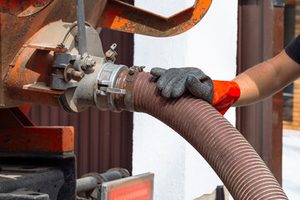
Technological advances have made septic pumping cleaner, faster, and safer. Vacuum pumps and sealed containment ensure that waste is removed efficiently without exposing the surroundings to contamination. Modern equipment can even assess tank levels and detect leaks before they cause major problems.

Inspection goes hand in hand with pumping. Professionals use the opportunity to evaluate tank condition, look for cracks, check baffles, and assess sludge depth. These observations reveal how well the system performs and what preventive steps might be needed. A single inspection can avert years of future trouble.

Neglecting septic pumping is not just a matter of inconvenience—it’s a threat to health and environment. Overflow or leaks can release pathogens into soil and groundwater. The resulting contamination can harm vegetation, water sources, and even nearby living spaces. Maintaining the system is an act of protection for the ecosystem as much as for the household.

Proper education about septic systems is often overlooked. Many users assume that out of sight means out of mind, but awareness creates responsibility. Understanding how everyday actions affect the tank—like excessive use of chemicals or water—helps sustain its performance. Pumping complements this awareness by keeping the physical system aligned with good habits.

The rhythm of septic care is steady and predictable when monitored correctly. Most systems require pumping every few years, though some need it more often based on demand. Establishing a routine builds peace of mind and prevents the panic of unexpected backups. Consistency is the unsung hero of maintenance.

There’s also an environmental perspective in timely pumping. A well-maintained septic system prevents untreated wastewater from seeping into the ground. It protects aquatic life and ensures that the soil continues to act as a natural filter. What seems like a simple household task actually contributes to broader ecological health.

Many experts describe septic pumping as a form of cleansing. Just as the human body expels waste to stay healthy, so must our living systems. Ignoring that function results in toxicity and imbalance. Regular maintenance keeps the flow of life—both literal and symbolic—uninterrupted.

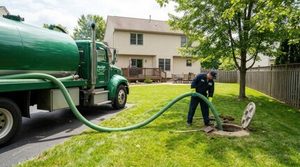
The process itself is straightforward but requires skill. A technician locates the access points, measures sludge and scum layers, and uses specialized equipment to extract the waste. After pumping, the tank is checked for backflow, leaks, and any damage. Documentation of these details creates a record that helps plan future servicing.

Every property with a septic system has its own rhythm. High water usage homes may require more frequent attention, while smaller households can extend intervals. But no matter the setting, the principle remains: delay leads to decay. A few hours of pumping can prevent years of repair.

There’s an art in knowing when to act. Slow drains, unpleasant odors, or soggy ground above the tank are early warnings. These subtle signs indicate that layers inside have grown too thick. Responding early prevents expensive interventions later.

Even new homeowners benefit from immediate evaluation. It’s common to inherit systems without maintenance records, leaving hidden risks below the surface. A single pumping session reveals the tank’s health and offers a clean start for responsible ownership.

Proper waste disposal habits support the system’s longevity. Flushing non-biodegradable materials or pouring grease into drains disrupts bacterial activity. Over time, these mistakes lead to blockages that no pumping schedule can fix alone. Respecting the system is part of preserving it.

Water conservation also plays a major role. The less strain placed on the septic tank, the more efficiently it performs. Fixing leaks, using efficient fixtures, and spacing out laundry loads all reduce pressure on the system. Pumping becomes more effective when supported by these daily habits.

A hidden beauty exists in septic systems. They represent a quiet harmony between human design and natural biology. Bacteria, gravity, and filtration work together to process what we discard. Septic pumping keeps this harmony alive, renewing the space where waste transforms back into safety.

Modern environmental awareness has changed how people view septic maintenance. It’s no longer just about preventing clogs but about sustainability. Clean water, fertile soil, and public health depend on responsible waste management. Septic pumping stands at the crossroads of these values.

In rural areas, where centralized sewer systems don’t exist, septic pumping takes on even greater importance. It supports self-sufficiency and independence while maintaining community hygiene. Each properly serviced tank becomes part of a network of protection for all who share the land.

For businesses that rely on septic systems, pumping ensures compliance with regulations and continuity of operations. Overflow or system failure can disrupt productivity and reputation. Investing in maintenance keeps everything functioning without interruption.

The future of septic technology points toward smarter monitoring. Sensors now track waste levels and send alerts when pumping is due. These innovations make it easier to manage maintenance without relying on guesswork. The combination of human expertise and digital insight promises cleaner and more efficient systems.

Despite technology, human expertise remains vital. Skilled technicians understand the subtle signs of wear, the smell of imbalance, the sound of flow. Their experience turns a simple task into a craft of precision. Behind every clean drain lies the work of unseen hands maintaining equilibrium.

Pumping frequency may seem routine, but it embodies the principle of stewardship. Caring for what’s hidden shows respect for both property and environment. It reminds us that true cleanliness extends beyond what meets the eye.

Those who schedule regular pumping often enjoy fewer repairs, cleaner surroundings, and better property value. A neglected system, by contrast, can bring financial and emotional stress. Prevention always costs less than restoration.

The materials removed during pumping undergo proper treatment before disposal. They are processed to ensure that no harmful elements reenter the environment. This responsible cycle completes the circle of care that begins with the household and ends with the ecosystem.

The odors often associated with septic systems come from imbalance, not normal function. A well-maintained tank operates quietly and without smell. Pumping restores that equilibrium, transforming discomfort into reassurance.

Education and awareness campaigns continue to emphasize the importance of septic management. Communities that encourage regular pumping see fewer cases of contamination and system failure. Shared responsibility leads to shared cleanliness.

Those who experience a properly functioning system rarely think about it again. That’s the beauty of septic maintenance—it works best when invisible. The absence of trouble is the proof of success. Pumping simply preserves that quiet peace.

Even in emergencies, quick action and professional care can restore balance. Severe blockages or overflows often trace back to long-neglected tanks. After pumping, systems regain stability, and households rediscover comfort.

Pumping also allows opportunities for upgrades. Technicians can recommend improved filters, risers, or inspection ports that make future maintenance easier. Investing once can simplify care for years ahead.

Though often dismissed as unglamorous, septic pumping reflects a deeper philosophy—responsibility to what lies unseen. It connects cleanliness, health, and sustainability into a single act. Beneath every home, there’s a living system that deserves respect.

The next time you turn on a faucet or flush a toilet, remember the silent machinery working below. Its quiet service keeps the modern world clean and functional. Septic pumping ensures that service continues, uninterrupted, reliable, and invisible.

In the end, septic pumping is not just about waste removal. It is a story of rhythm, renewal, and responsibility. It’s about tending to what we rarely see but always rely upon. Beneath every surface, the pulse of sanitation continues—steady, vital, and unseen.

Visit our Professional Services Blogs

Portland Metro Plumbers, Provantage Handyman, Santa Ana Flooring, Plumbing Heating Cooling New Jersey, Riverside Stump Grinding, Painter In Hanover, My Restoration Directory, Miami Dade Restoration Services, Update Construction, Campanelli Construction, Cruz Construction And Restoration , Airconditioning Round Rock, Air Dynamics Airconditioning And Heating, Gands Airconditioning And Heating, Windward Building Company LLC, Airconditioning Repairs Bocaraton, Laguna Airconditioning, Roofing 719, 3 Phase Construction NJ, Broadway Building Contractors, UIS Concrete And Demo, Austin Plumbers Near Me, Richmond Gutter Cleaning Company, Weather Defense Roofing Weather Proof Roofing, Ray Allen Plumbing, Raleigh Pressure Washing Painting , Fairfield County Septic, Carlson Craft Cabinets, Helping Hand Home Improvement, Delco Home InspectorWindow Cleaning Stafford 

Essential Septic Solutions for a Healthy Property

septic

Septic systems are a vital component of residential and commercial properties that are not connected to municipal sewer systems. These systems manage wastewater efficiently, ensuring sanitation, environmental protection, and long-term property health. Proper installation, maintenance, and management of septic systems are essential for preventing costly repairs, protecting water quality, and maintaining the safety and comfort of your home or business. Understanding septic systems, their components, and best practices for upkeep is key to avoiding issues and ensuring reliable performance for years to come.

Understanding Septic Systems

A septic system is an underground wastewater treatment structure commonly used in areas without centralized sewer systems. It treats household wastewater by separating solids from liquids and breaking down organic matter through natural bacterial processes. The treated effluent is then safely absorbed into the soil through a drain field, preventing contamination of groundwater and surface water.

Key components of a septic system include:

  • Septic Tank – The primary container where solids settle and liquid effluent separates.
  • Drain Field – A series of perforated pipes buried in gravel trenches that distribute treated wastewater into the soil.
  • Distribution Box – Ensures even flow from the tank to the drain field.
  • Vent Pipes – Allow gases to escape and maintain proper airflow within the system.

Each component plays a critical role in ensuring the system functions effectively and safely.

Benefits of a Properly Maintained Septic System

Maintaining a septic system offers several important benefits:

  • Environmental Protection – Proper treatment of wastewater prevents contamination of soil and water sources.
  • Cost Savings – Regular maintenance reduces the risk of expensive repairs or system replacement.
  • Health and Safety – Efficient systems prevent exposure to harmful pathogens and odors.
  • Longevity – Well-maintained systems can last decades, providing reliable wastewater management.
  • Property Value – A functional septic system supports property integrity and resale value.

Investing in proper care and timely maintenance ensures the septic system continues to serve your property safely and efficiently.

Signs of Septic System Problems

Early detection of septic issues is critical to avoid major damage. Common warning signs include:

  • Slow Drains – Toilets, sinks, or showers drain slowly, indicating possible blockages.
  • Pooling Water – Water or sewage pooling in the yard near the drain field signals system failure.
  • Unpleasant Odors – Foul smells around the property or inside the home may indicate tank overflow or leaks.
  • Sewage Backup – Wastewater backing up into sinks, toilets, or drains is a serious warning of system problems.
  • Lush Vegetation – Unusually green or thick grass over the drain field may indicate leaks and nutrient-rich effluent.

Recognizing these signs early allows for prompt intervention and prevents extensive damage to the system or property.

Septic System Maintenance Tips

Regular maintenance is key to ensuring the longevity and efficiency of a septic system. Best practices include:

  • Routine Inspections – Have the system inspected by a professional every 1–3 years to check for potential issues.
  • Regular Pumping – Remove accumulated solids from the septic tank every 3–5 years, depending on usage and tank size.
  • Water Conservation – Reduce excessive water use to prevent system overload and tank overflow.
  • Proper Waste Disposal – Avoid flushing non-biodegradable items, grease, chemicals, or medications down drains.
  • Drain Field Care – Do not drive or park heavy vehicles over the drain field, and avoid planting trees nearby that may damage pipes.
  • Use of Bacterial Additives – Maintaining healthy bacterial populations in the tank helps with the breakdown of organic matter.

Consistent maintenance ensures the system operates efficiently, preventing costly repairs and protecting the environment.

Installation Considerations

A properly installed septic system is essential for optimal performance. Key considerations during installation include:

  • Soil Type and Drainage – Evaluate soil percolation rates to determine the suitability and design of the drain field.
  • System Size – Size the tank and drain field based on household water usage and occupancy.
  • Site Location – Position the system away from water sources, slopes, and structures to reduce the risk of contamination or flooding.
  • Permit and Regulations – Ensure compliance with local health and environmental regulations for installation and operation.

Professional installation ensures the system is correctly designed, protecting property value and long-term functionality.

Common Septic System Problems and Solutions

Understanding common issues helps homeowners take preventative measures:

  • Clogged Pipes – Caused by grease, debris, or roots. Regular pumping and mindful waste disposal prevent clogs.
  • Tank Overflow – Results from excessive water use or delayed pumping. Efficient water usage and regular maintenance reduce risks.
  • Drain Field Failure – Often due to soil compaction, tree roots, or poor design. Protecting the field and monitoring system performance can prevent failure.
  • Leaks or Cracks – Structural damage to the tank or pipes may occur over time. Early inspections and prompt repairs mitigate damage.

Addressing problems early minimizes repair costs and extends the life of the septic system.

Environmental Benefits of Septic Systems

Septic systems are environmentally friendly when properly maintained. They naturally treat wastewater, reduce reliance on centralized sewage systems, and conserve energy. Benefits include:

  • Reduced Water Pollution – Proper treatment prevents contaminants from entering rivers, lakes, and groundwater.
  • Sustainable Waste Management – Localized treatment reduces the strain on municipal systems.
  • Nutrient Recycling – Effluent in the drain field contributes nutrients to the soil, supporting vegetation growth.

By investing in responsible septic system care, property owners contribute to a healthier, more sustainable environment.

Septic systems are an essential part of modern properties, providing reliable wastewater management while protecting health, the environment, and property value. Proper installation, regular maintenance, and early detection of potential issues are key to maximizing performance and longevity.

By understanding the components, benefits, and best practices of septic systems, homeowners and property managers can ensure safe, efficient, and environmentally responsible wastewater management. Investing time and resources into septic care not only prevents costly repairs but also supports a sustainable and healthy property for years to come.

How Often Should You Schedule Carpet Cleaning? A Maintenance Guide for Property Owners

Carpet is one of the most widely used flooring materials in residential and commercial properties. It provides warmth, comfort, noise reduction, and a polished aesthetic that enhances interior spaces. However, carpet also functions as a large filtration system, trapping dust, allergens, soil particles, and debris deep within its fibers. While regular vacuuming removes surface dirt, it does not fully eliminate the contaminants embedded below. Over time, this buildup can affect indoor air quality, appearance, and the overall lifespan of the carpet. For property owners, understanding how often to schedule professional Carpet Cleaning Lehi is essential to maintaining both cleanliness and long-term value.

carpet cleaning

The frequency of carpet cleaning is not a one-size-fits-all recommendation. Instead, it depends on several factors, including foot traffic, occupancy levels, the presence of pets or children, and whether the property is residential or commercial. A carefully structured maintenance plan helps prevent premature wear, discoloration, and odor retention. More importantly, it protects the investment made in flooring materials, which can represent a significant portion of interior renovation costs.

Carpet fibers are designed to capture and hold soil, but excessive buildup creates friction that damages the pile. Each time someone walks across a dirty carpet, abrasive particles grind against the fibers, causing them to fray and lose resilience. This gradual deterioration may not be immediately noticeable, but over months and years, it results in a flattened, dull appearance. Professional carpet cleaning removes deeply embedded debris, reducing fiber abrasion and preserving texture. From a property management perspective, routine cleaning is preventive maintenance that extends the usable life of the flooring.

For most residential properties, professional carpet cleaning is recommended at least once every 12 months. This annual schedule works well for households with moderate foot traffic and no unusual contamination issues. However, homes with children, pets, or individuals with allergies may benefit from more frequent service. Pet dander, hair, tracked-in soil, and occasional accidents can accelerate contamination. In such cases, scheduling cleaning every six months may provide better results. The goal is to prevent buildup from reaching a level where it becomes difficult to fully restore the carpet’s appearance and hygiene.

Commercial properties typically require a more aggressive cleaning schedule due to higher foot traffic. Offices, retail environments, and multi-unit residential buildings experience constant movement throughout the day. Dirt is tracked in from outside, and spills are more common. For these settings, quarterly or biannual professional cleaning may be appropriate, depending on usage patterns. High-traffic corridors and entryways may even require targeted cleaning more frequently than less-used areas. Maintaining a consistent schedule not only improves aesthetics but also demonstrates professionalism and attention to detail.

Several key factors influence how often carpet cleaning should be scheduled:

  1. Foot Traffic Levels: The more people moving through a space, the faster dirt accumulates and fibers wear down.
  2. Presence of Pets or Children: Pets introduce hair and dander, while children may contribute spills and stains.
  3. Indoor Air Quality Concerns: Properties where occupants have allergies or respiratory sensitivities may require more frequent cleaning to reduce airborne irritants.

Evaluating these variables helps property owners determine a realistic and effective maintenance plan.

Another important consideration is the type of carpet fiber and construction. Some materials are more resilient and stain-resistant than others. However, even high-performance carpets require routine deep cleaning to remove embedded soil and restore fiber alignment. Neglecting maintenance can void manufacturer warranties, many of which require documented professional cleaning at specified intervals. For property owners, adhering to recommended cleaning schedules protects both the physical product and any associated warranty coverage.

Stain management is also directly tied to cleaning frequency. When spills occur, immediate spot treatment is crucial. However, residue from cleaning agents or partially removed stains can attract additional dirt over time. Professional carpet cleaning uses advanced extraction methods that remove both contaminants and leftover cleaning residues. This process restores the carpet’s original texture and reduces the likelihood of recurring stains. Scheduling regular service minimizes the accumulation of these residues and maintains a consistent appearance throughout the property.

Seasonal factors may influence cleaning timing as well. During rainy or snowy periods, more moisture and soil are tracked indoors. In dry seasons, dust levels may increase. Property owners often schedule professional carpet cleaning after high-impact seasons to reset interior conditions. This approach ensures that accumulated debris does not remain embedded for extended periods.

Odor control is another reason to maintain a structured carpet cleaning routine. Carpets can absorb odors from pets, cooking, smoke, and general occupancy. Over time, these odors become trapped within the padding and fibers. Vacuuming alone cannot eliminate deeply embedded odor sources. Professional extraction methods remove organic matter that contributes to persistent smells, leaving the environment fresher and more inviting. In rental properties or commercial spaces, odor management plays a crucial role in occupant satisfaction.

From a financial perspective, routine carpet cleaning is far more cost-effective than premature replacement. Installing new carpet involves material costs, labor expenses, and potential downtime. By contrast, scheduled maintenance represents a relatively modest investment that extends the life of existing flooring. Property owners who neglect cleaning often find that carpets appear worn long before their expected lifespan. Preventive care protects the original investment and reduces long-term capital expenditures.

In addition to routine cleaning intervals, property owners should recognize situations that call for immediate professional attention. These circumstances include:

  1. Significant water exposure due to leaks or flooding, which requires prompt extraction to prevent mold growth.
  2. Large or deeply set stains that cannot be removed with standard spot treatments.
  3. Noticeable changes in odor or indoor air quality that may indicate hidden contamination within the carpet padding.

Addressing these issues promptly prevents them from escalating into larger problems that require more extensive remediation.

Health considerations further reinforce the importance of regular carpet cleaning. Carpets trap allergens such as dust mites, pollen, and pet dander. While this filtration effect can temporarily prevent particles from becoming airborne, excessive buildup may eventually compromise indoor air quality. Professional cleaning removes these contaminants from deep within the fibers, supporting a healthier indoor environment. For properties housing individuals with asthma or allergies, maintaining clean carpets is part of a broader indoor air quality strategy.

The method used for professional carpet cleaning also matters. Hot water extraction is commonly employed because it penetrates deeply into fibers and removes embedded soil effectively. Encapsulation and low-moisture methods may be appropriate for certain commercial settings where rapid drying is required. Consulting with a qualified professional ensures that the chosen method aligns with the carpet type and usage level. Proper technique prevents over-wetting, which can damage backing materials or promote microbial growth.

Property owners managing multiple units or commercial facilities may benefit from developing a documented carpet maintenance plan. This plan should outline cleaning intervals, inspection schedules, and procedures for addressing spills or stains. Keeping detailed records supports warranty compliance and demonstrates responsible management practices. It also allows for consistent budgeting and scheduling, reducing the likelihood of unexpected expenses.

Vacuuming remains a critical complement to professional cleaning. High-quality vacuum equipment with effective filtration systems should be used regularly to remove surface debris before it becomes embedded. Entry mats at doorways can significantly reduce the amount of dirt tracked onto carpets. Encouraging occupants to follow simple preventive measures enhances the effectiveness of professional services and prolongs intervals between deep cleanings.

Ultimately, the question of how often to schedule carpet cleaning depends on balancing usage demands with preventive care. A general guideline for residential properties is once per year, increasing to twice annually in high-traffic or pet-friendly environments. Commercial properties often require cleaning every three to six months, with targeted maintenance for heavily used areas. By evaluating traffic patterns, occupancy, and environmental conditions, property owners can tailor a schedule that preserves appearance and performance.

In conclusion, carpet cleaning is not merely a cosmetic service; it is a strategic component of property maintenance. Regular professional cleaning protects fiber integrity, enhances indoor air quality, controls odors, and extends the lifespan of flooring materials. For property owners seeking to safeguard their investment, establishing a consistent maintenance schedule is both practical and financially prudent. Clean carpets contribute to a healthier, more attractive environment while preserving the long-term value of the property. By treating carpet care as an ongoing priority rather than an occasional task, owners ensure that their interiors remain welcoming, durable, and cost-effective for years to come.